2026 · 14th Annual
Celebrating monarchs, milkweed, and more
Join us for a day of wonder, learning, and community! Discover the incredible world of monarchs, milkweed, and the ecosystem we share — with hands-on activities for all ages, live specimens, and the magic of a butterfly release ceremony.
Saturday, August 22, 2026
Tioga Pavilion · Belmont Village, New Hampshire (location pending)
Festival open 10:00 am – 5:00 pm
Admission
Grab your tickets and come celebrate with us! Admission fees help support festival costs and conservation donations so we can continue to bring this festival to the community year after year.
Children 2 years and younger are always FREE. Any child or adult who arrives in costume receives complimentary admission — wings, antennae, and caterpillar suits especially encouraged.
Day of Event
Details to come closer to festival date
Check back as we get closer to August 22, 2026 for the full schedule of events, presentations, and activities!
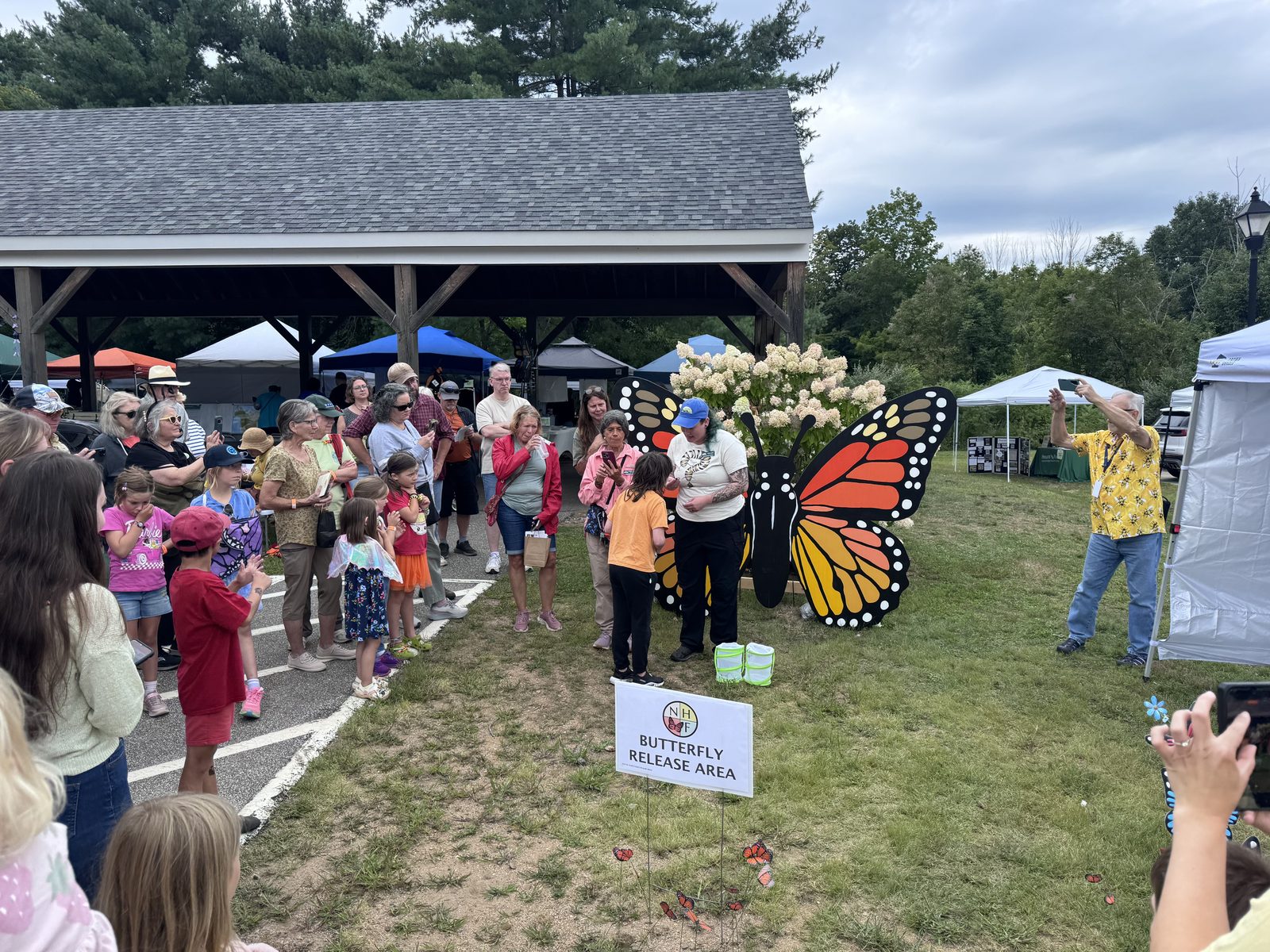
Attendees gather on the festival lawn for a presentation — one of many throughout the day
Potential Activities
There's something magical around every corner — earn your wings, watch monarchs transform, and parade like a migrating butterfly. Here are some of the potential activities (to be determined closer to festival date):
We offer lots of things for kids to enjoy at the festival. Some of this year's activities include:
A child looks up in wonder at the monarch enclosures — one of the festival's most beloved moments
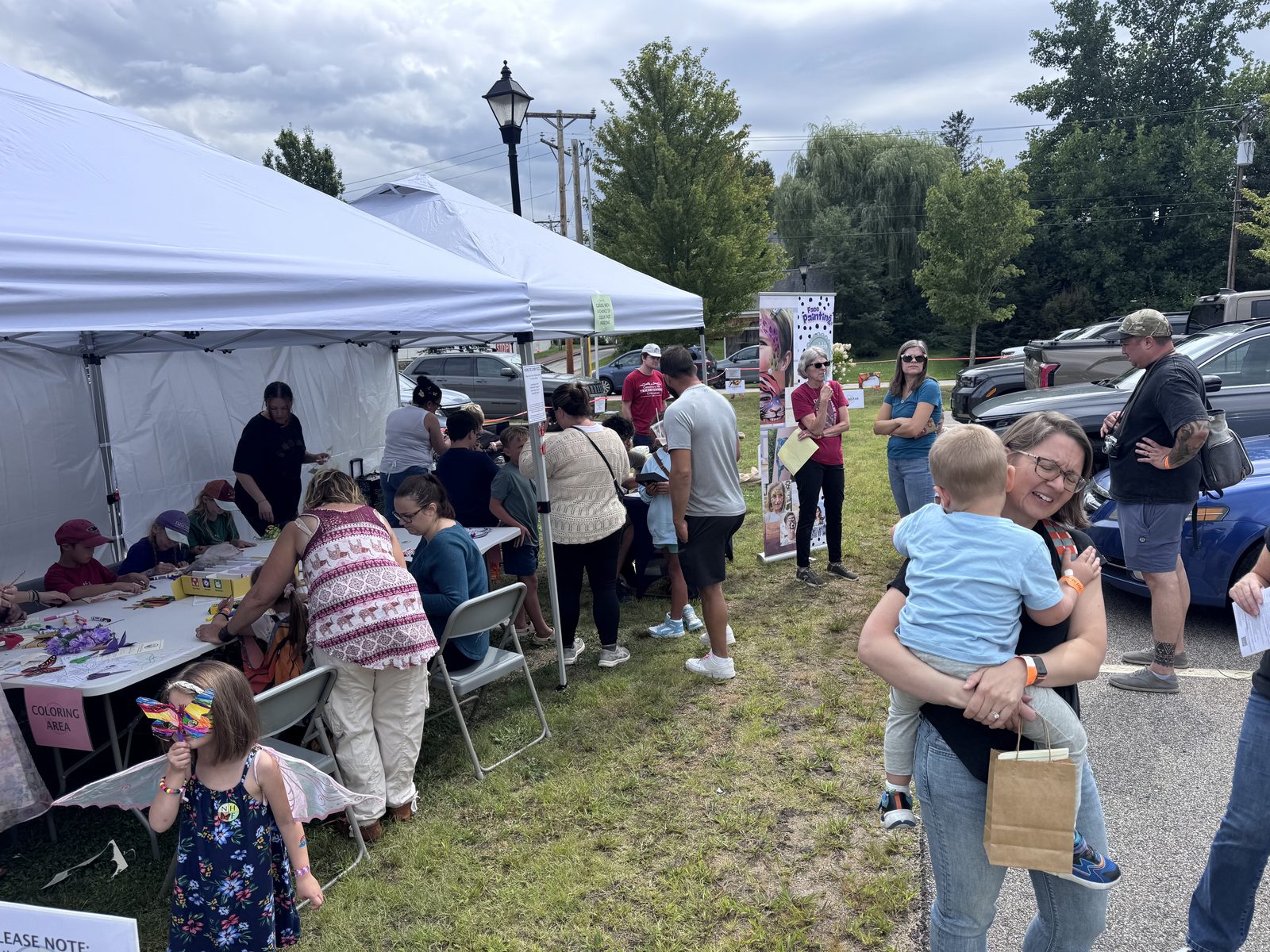
Craft your own paper monarch butterfly to take home.
Pick up your Passport at the entrance, collect stamps at each station, and turn it in for a special prize!
Complete this activity to earn your butterfly wings for the Migration Parade!
Red light, green light — race like a migrating monarch south to Mexico!
Search through fake milkweed for the one hidden monarch egg.
Make and decorate your own monarch butterfly mask.
Hang your origami or colored butterfly on our community butterfly tree.
Professional face painter on-site throughout the day.
Scale comparison showing how big you'd grow in just two weeks!
Wooden cutouts — caterpillar, butterfly, milkweed bugs, and more.
Find the monarch egg symbol and answer the science questions for a prize.
Prizes for the best butterfly, caterpillar, or pollinator costume!
Marketplace
Explore booths filled with native plants, local art, delicious food, conservation science, and so much more. Every table is a new discovery!
(Vendor information will be updated closer to the festival date. Please check back later for a full list.)
Milkweed, pollinator plants, and natives to take habitat home with you.
Citizen science projects, OE testing, nanotagging, and Monarch Watch data.
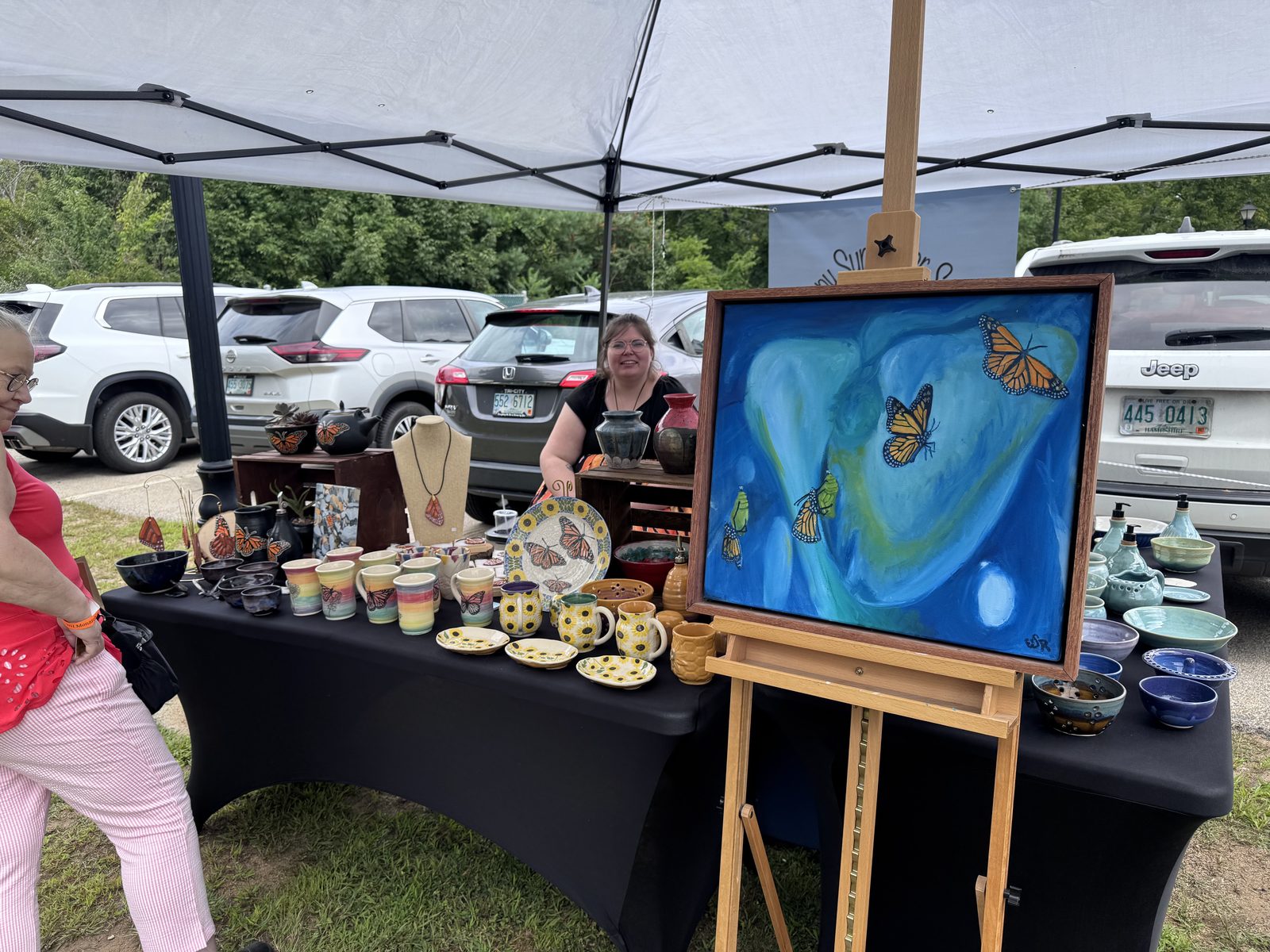
Butterfly-inspired pottery, fine art prints, fiber arts with plant dyes.
NH Audubon, Newfound Lake Region Association, Belmont Conservation Commission.
Herbalists, tea makers, local farms, baked goods, and food trucks.
UNH Cooperative Extension, NH Fish & Game, nature guides, and children's books.
We welcome local artisans, native plant nurseries, environmental nonprofits, food vendors, and community science organizations. Space is limited.
Photography
A glimpse into the magic of past festivals — tagging ceremonies, wonder-filled moments with live specimens, community gatherings, and the breathtaking monarchs themselves.


Share your festival photographs on socials using #NHMonarchFestival — your photos may be featured here!
Natural History
The monarch undertakes one of the most extraordinary migrations on Earth. New Hampshire sits along a critical corridor of that journey every August and September.
Monarch Butterfly
Scientific name: Danaus plexippus
Laid singly on milkweed leaves. Each tiny ribbed egg hatches in 3–5 days.
The larva passes through 5 instars over 2 weeks, growing 2,700× its hatching size.
The jade-green chrysalis with a gold crown holds a complete transformation lasting 8–12 days.
The "super generation" emerges in late summer and migrates up to 3,000 miles to Mexico.
Monarchs travel up to 3,000 miles from New England to their overwintering sites in the oyamel fir forests of Michoacán, Mexico.
Eastern monarch populations have dropped dramatically since the 1990s due to habitat loss, pesticides, and climate change. They are now IUCN-listed as endangered.
Monarch caterpillars can only eat milkweed (Asclepias spp.). Planting milkweed in your yard is one of the most direct actions you can take for monarchs.
Further Reading
Learn more about monarch butterflies, conservation efforts, and how you can help protect these remarkable creatures through these trusted organizations.
Dedicated to the conservation of wildlife and habitat throughout New Hampshire, with programs focused on birds, pollinators, and native plant gardens.
nhaudubon.org → University of New HampshireProvides research-based education and resources on gardening, wildlife habitat, and sustainable land management for New Hampshire residents.
extension.unh.edu → National PartnershipA partnership of federal and state agencies, nonprofits, and academic programs working together to protect the monarch migration across the United States.
monarchjointventure.org → Conservation & ResearchA nonprofit education, research, and conservation program based at the University of Kansas, home of the famous Monarch Tagging Program.
monarchwatch.org → Citizen ScienceA citizen science program that tracks the migration of monarchs and other wildlife. Report your sightings and follow the migration in real time.
journeynorth.org →