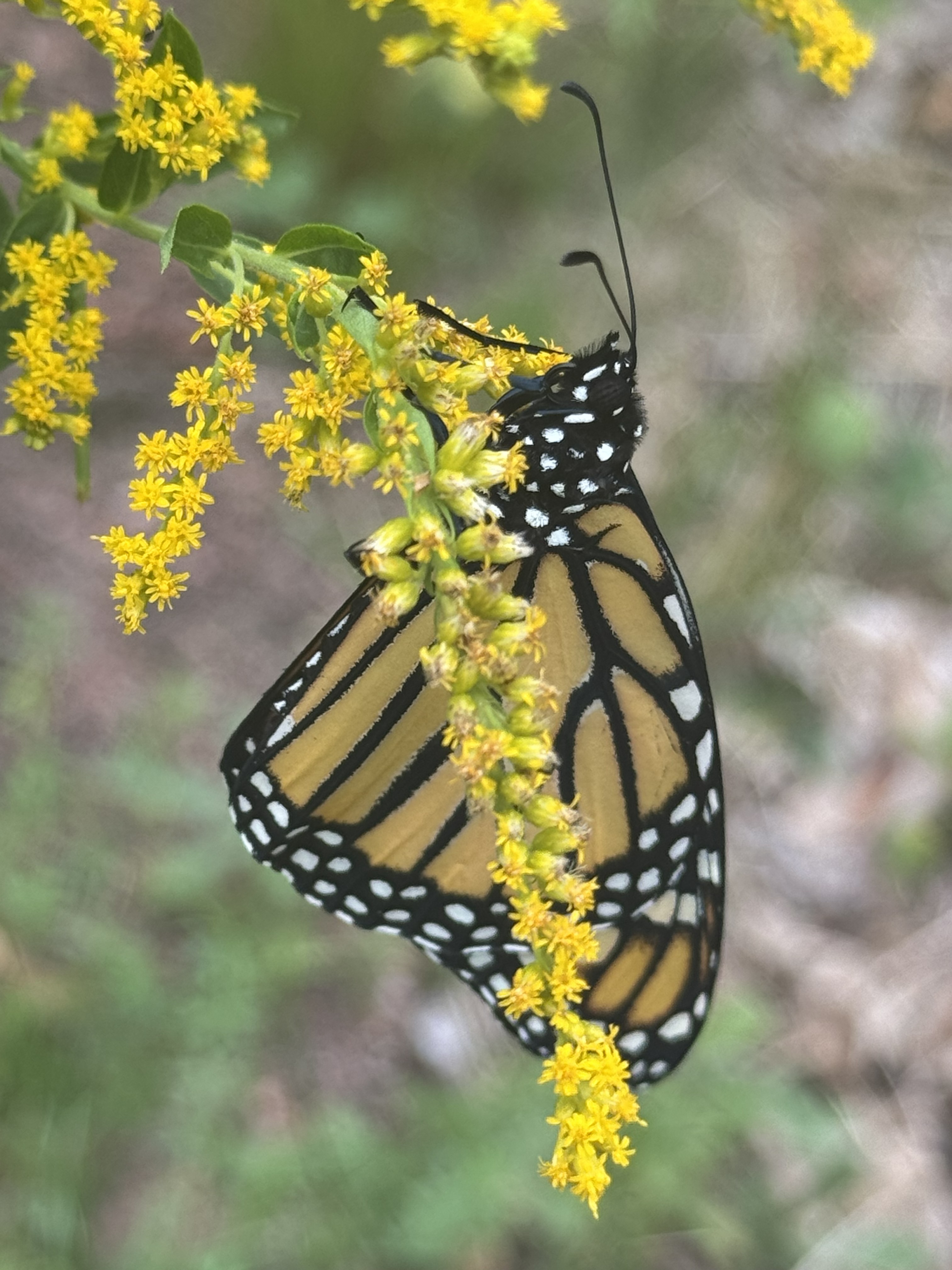
Monarch Butterfly
Scientific name: Danaus plexippus

Stage 1 · Egg
Laid singly on milkweed leaves. Each tiny ribbed egg hatches in 3–5 days.
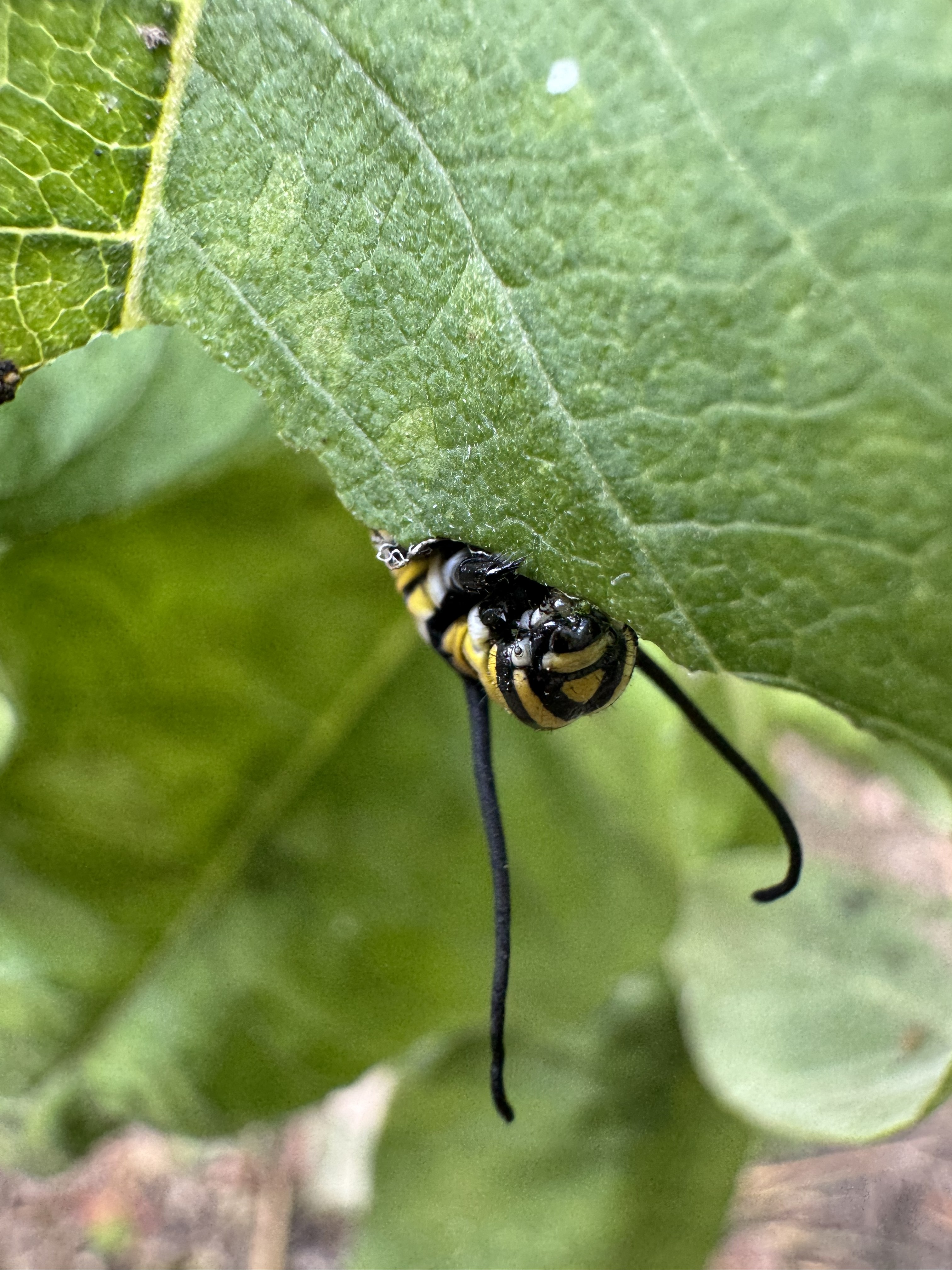
Stage 2 · Caterpillar
The larva passes through 5 instars over 2 weeks, growing 2,700× its hatching size.
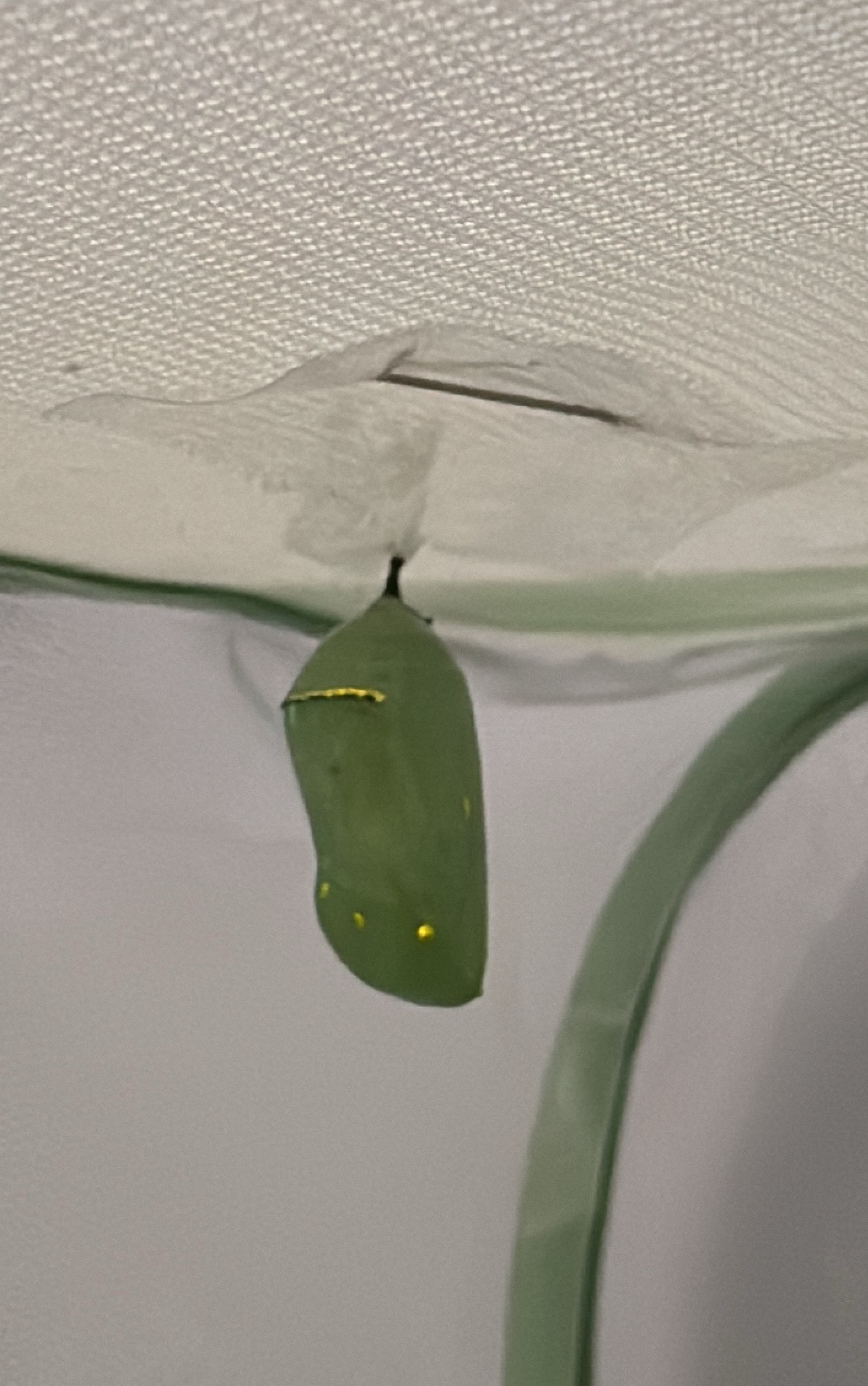
Stage 3 · Chrysalis
The jade-green chrysalis with a gold crown holds a complete transformation lasting 8–12 days.
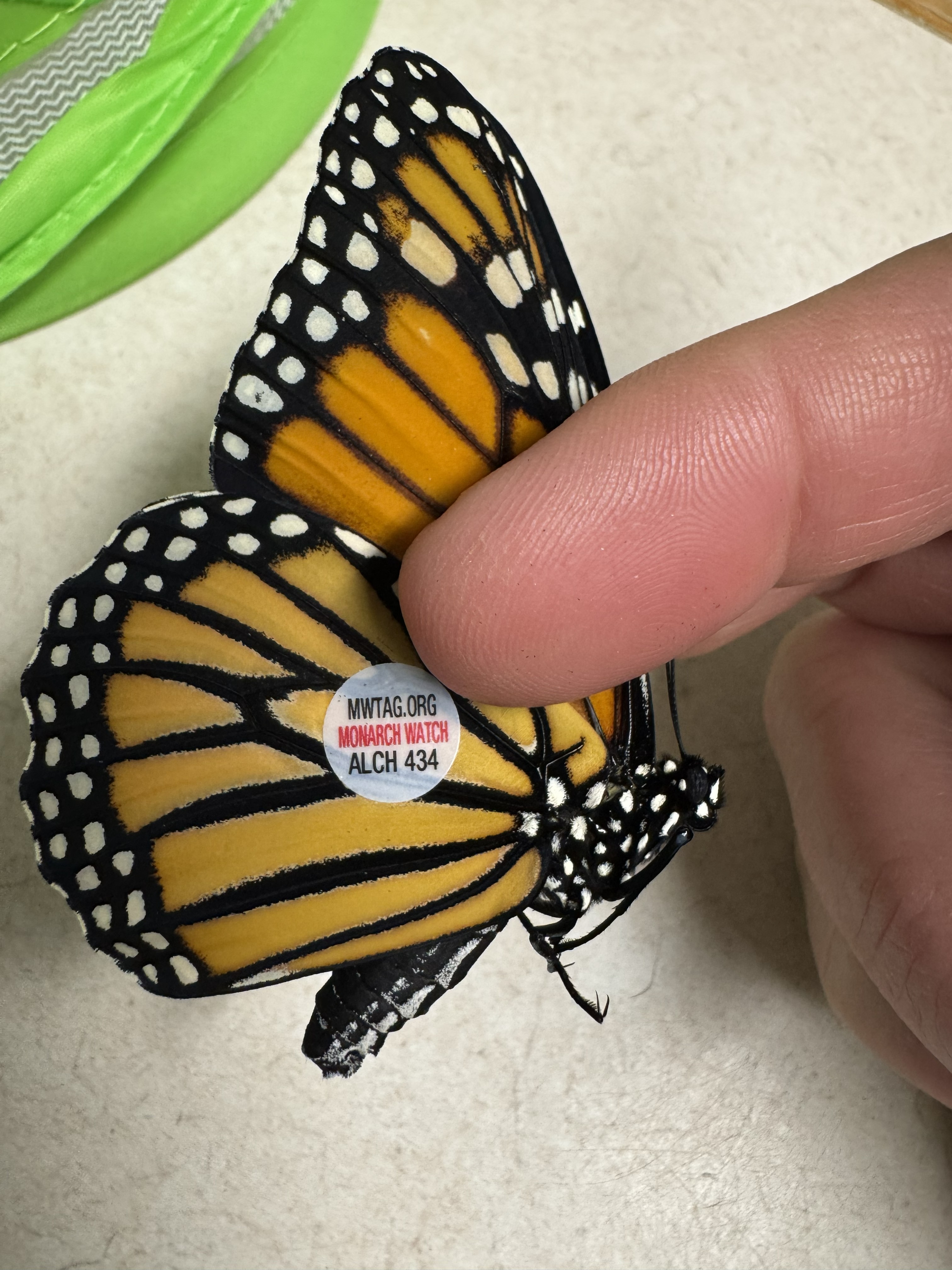
Stage 4 · Butterfly
The “super generation” emerges in late summer and migrates up to 3,000 miles to Mexico.
Miles Migrated
Monarchs travel up to 3,000 miles from New England to their overwintering sites in the oyamel fir forests of Michoacán, Mexico.
Population Decline
Eastern monarch populations have dropped dramatically since the 1990s due to habitat loss, pesticides, and climate change. They are now IUCN-listed as endangered.
Host Plant: Milkweed Only
Monarch caterpillars can only eat milkweed (Asclepias spp.). Planting milkweed in your yard is one of the most direct actions you can take for monarchs.